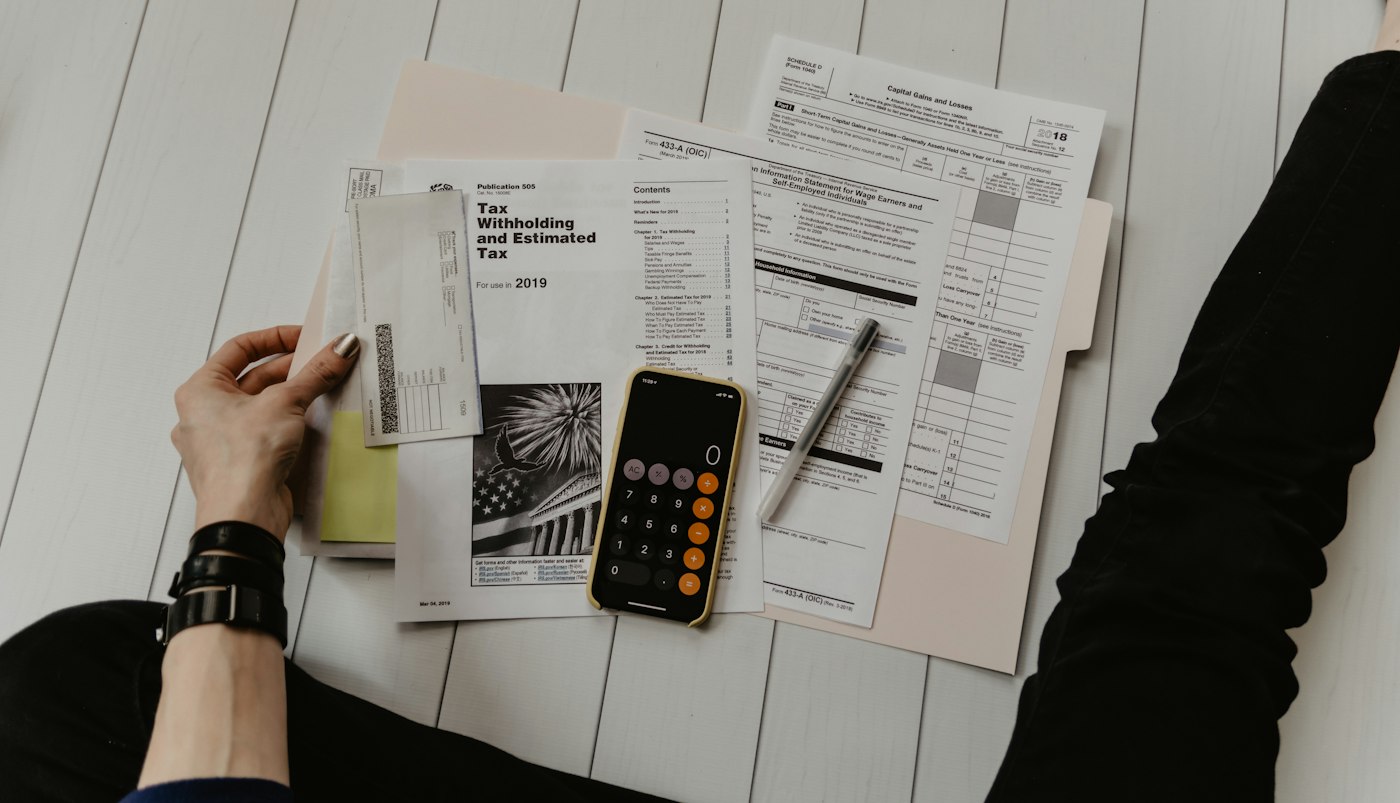
Understanding money doesn't require a finance degree. It requires the right guidance, practical knowledge, and a willingness to learn. We help everyday people build lasting financial confidence.
Most people weren't taught how to manage money in school. We learned algebra, history, and chemistry—but rarely how to budget, save, or plan for retirement. This gap in education leaves millions feeling overwhelmed when facing financial decisions that shape their entire lives.
The truth is, financial literacy isn't about complex formulas or market predictions. It's about understanding the fundamental principles that govern how money works and applying them consistently to your own situation.
Building wealth starts with understanding where your money goes each month
Why Financial Education Matters Now
The economic landscape has changed dramatically. Traditional pensions are disappearing, the cost of living continues to rise, and personal responsibility for retirement has never been greater. Without proper financial knowledge, people find themselves working longer, saving less, and worrying more.
Research consistently shows that individuals with higher financial literacy make better decisions about debt, savings, and investments. They're more likely to plan for emergencies, less likely to fall victim to predatory lending, and significantly better prepared for retirement.
"The best investment you can make is in yourself. The more you learn, the more you'll earn." — Warren Buffett
Yet learning about finance can feel intimidating. Industry jargon, conflicting advice, and the sheer volume of information available create barriers that discourage many from even starting. That's precisely why accessible, practical financial education is so valuable.
Ready to Build Your Financial Knowledge?
Our structured programmes guide you from basic concepts to confident financial decision-making.
The Foundation: Understanding Your Relationship with Money
Before diving into budgets and investment strategies, it's essential to examine your current relationship with money. Many of our financial habits—both helpful and harmful—were formed in childhood, influenced by family attitudes and early experiences.
Some people grew up in households where money was never discussed, creating discomfort around financial conversations. Others witnessed financial stress that now manifests as anxiety or avoidance. Understanding these patterns is the first step toward developing healthier financial behaviours.
Small, consistent actions compound into significant results over time
Practical Skills for Everyday Life
Financial literacy encompasses a range of practical skills. Creating and maintaining a realistic budget helps you understand your cash flow. Building an emergency fund provides security against unexpected expenses. Understanding different types of debt allows you to make informed borrowing decisions.
Beyond these basics, financial literacy includes understanding tax implications of various decisions, evaluating insurance needs, planning for major life events, and eventually preparing for retirement. Each skill builds upon the last, creating a comprehensive framework for financial wellbeing.
How We Can Help
Personal Finance Assessment
A comprehensive review of your current financial situation, identifying strengths and areas for improvement.
I always avoided looking at my finances because it stressed me out. After working through the budgeting programme, I actually enjoy reviewing my spending now. It's completely changed my relationship with money.
Sarah MitchellMarketing Manager, Bristol
The investment course demystified something I thought was only for wealthy people. I started my first ISA at 34 and wish I'd done it sooner, but I'm grateful to finally understand how it all works.
David OkonkwoSoftware Developer, Manchester
Starting Your Journey
The path to financial literacy doesn't require dramatic changes or immediate expertise. It begins with curiosity and small, consistent steps. Perhaps that means tracking your spending for a month, or finally reading through your pension statement, or asking questions you've been too embarrassed to ask.
What matters is that you start. Every financial concept you learn, every habit you improve, compounds over time—much like the investments you'll eventually understand how to make.
Important Notice
The information provided through our services is educational in nature and should not be considered personalised financial advice. Individual circumstances vary, and we recommend consulting with a qualified financial adviser for decisions specific to your situation. Past performance of any investment strategy does not guarantee future results. Your financial outcomes may differ based on various factors including market conditions, personal discipline, and individual circumstances.
Start Your Financial Education
We use cookies to enhance your browsing experience and analyse site traffic. By continuing to use this site, you consent to our use of cookies. Learn more